Contents
The story of Seiko, the legendary manufacture founded in 1881 by Kintaro Hattori, has been guided by an ambition that is simple yet endlessly demanding: “Always one step ahead of the rest”. The brand is known the world over, but its real secret lies in its unusual status as a fully integrated manufacture, mastering and marrying four fundamental watchmaking technologies: mechanical, quartz, Kinetic and Spring Drive. Here is a look behind the scenes of that unmatched technological synergy.
The Status of an Integrated Manufacture
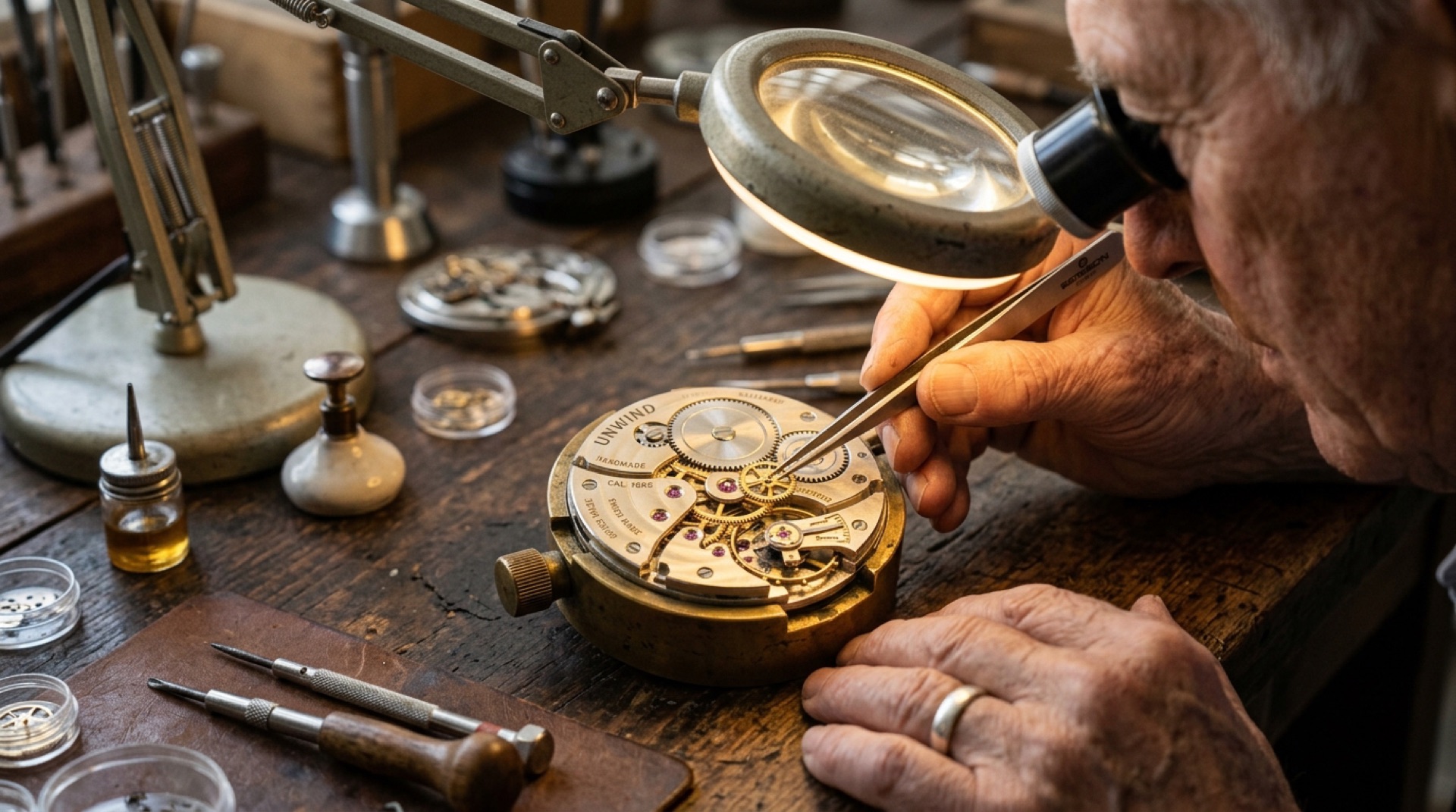
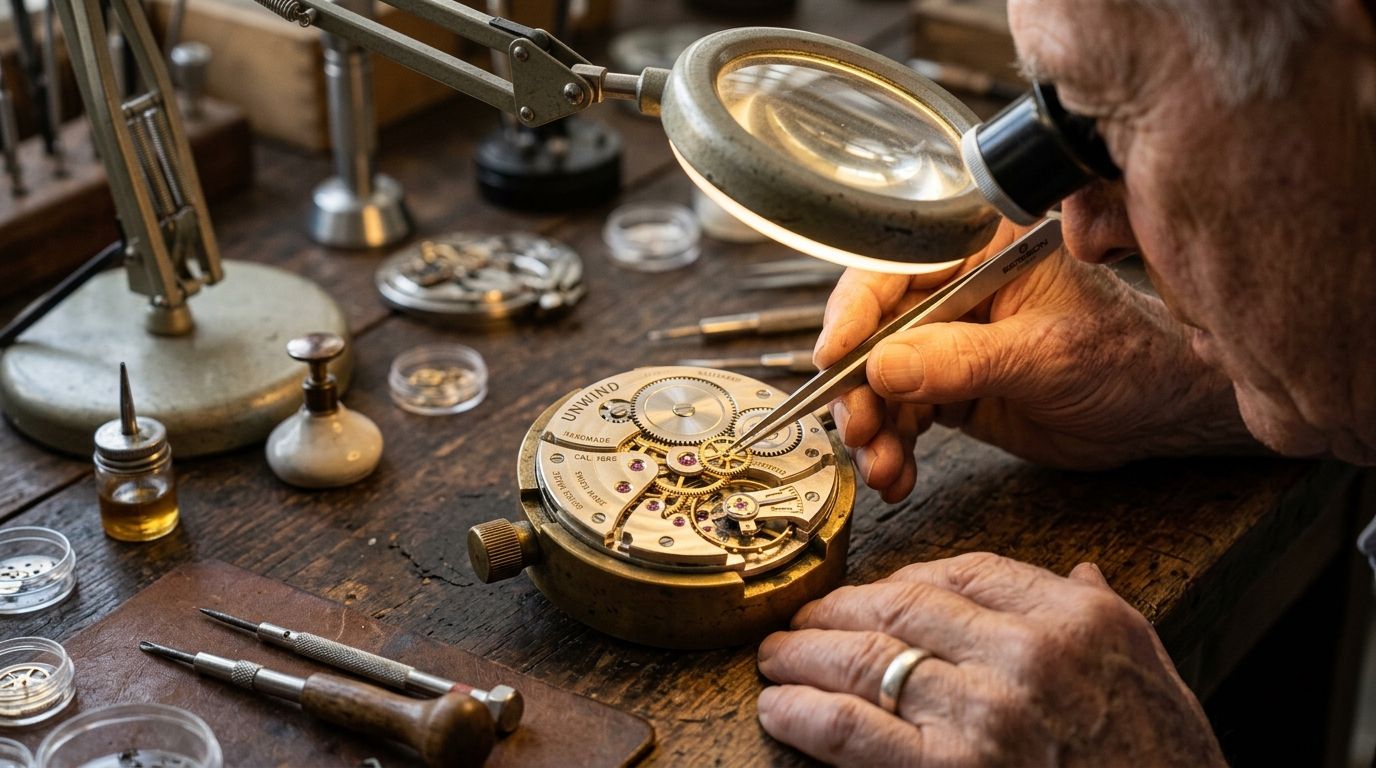
In high-end watchmaking, the word “manufacture” is sometimes used loosely. For Seiko, it is a plain fact. The Japanese house designs, develops and produces virtually all the components in its watches. That ranges from the integrated circuits of its quartz calibres to the finest hairsprings in an exclusive alloy (Spron) for its mechanical calibres, by way of the synthetic lubricating oils on which the longevity of its gear trains depends. This complete vertical control gives Seiko boundless creative freedom.
The Natural Evolution of Four Technologies
Rather than setting mechanical tradition against electronic innovation, Seiko chose to let the two talk to one another. Each major technical advance drew on the one before it, creating an unbroken chain of innovation:
- Traditional mechanics: ever since its first pocket watch in 1895 and the legendary Laurel wristwatch in 1913, Seiko has been refining the art of the mechanical movement. It is the beating heart, the foundation of the brand’s entire watchmaking philosophy.
- The quartz revolution (1969): on 25 December 1969, Seiko unveiled the Quartz Astron, upending world watchmaking with accuracy of ±5 seconds a month. This expertise in micro-electronics would become the building block of the innovations to come.
- Kinetic (1988): how do you combine the charm of mechanically generated energy with the accuracy of quartz? The answer is the Kinetic calibre. A mechanical rotor, driven by the movements of the wrist, turns a micro-generator that charges an electrical accumulator, which in turn powers a quartz resonator.
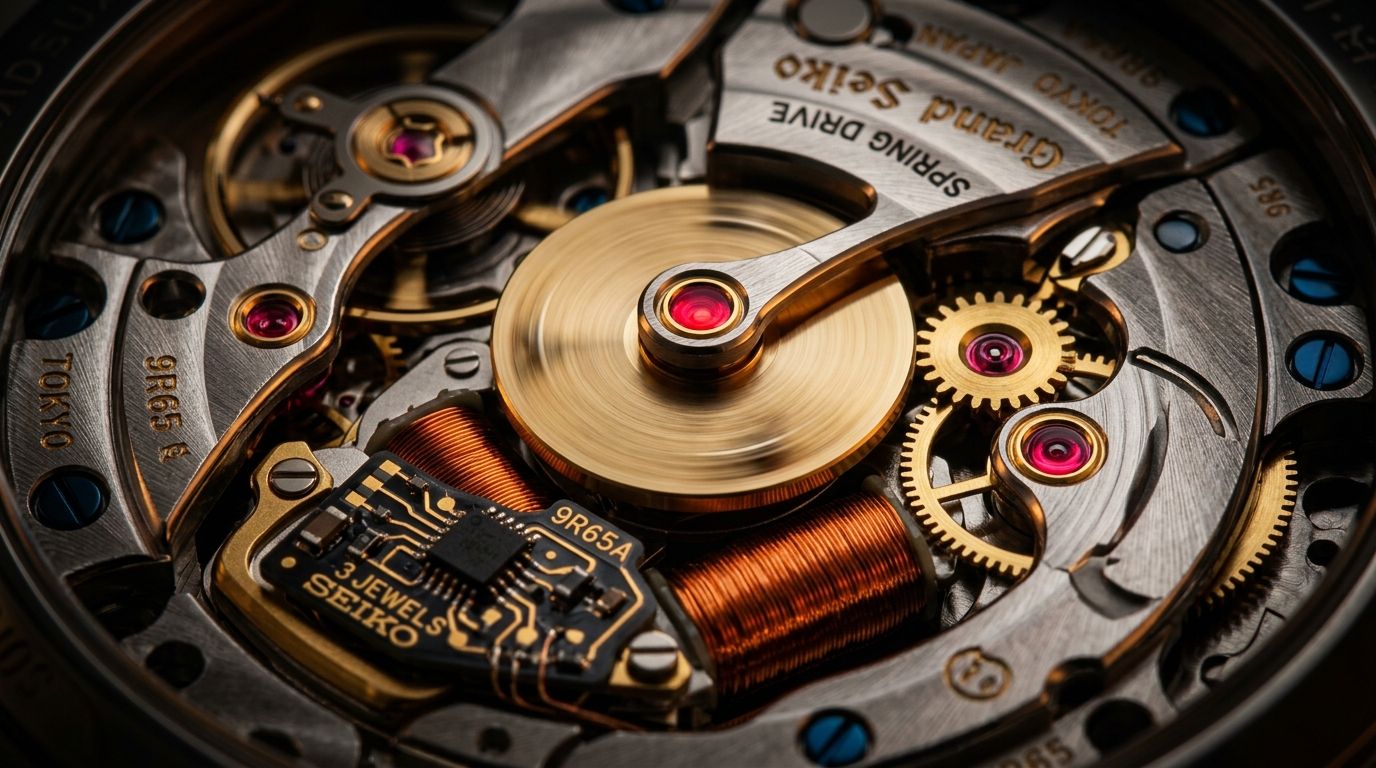
- Spring Drive (1999): the summit of watchmaking synergy. Conceived by the engineer Yoshikazu Akahane, Spring Drive replaces the traditional mechanical escapement — a source of wear and friction — with an electronic Tri-Synchro Regulator. Powered solely by the force of the mainspring, with no cell or battery, its movement glides on continuously and in complete silence.
The Philosophy of Continuous Time
This technological synergy shows itself in the distinctive glide of the seconds hand on Spring Drive models. Unlike mechanical watches, which advance in tiny jerks, or quartz watches, which jump from one second to the next, the Spring Drive seconds hand sweeps smoothly and without interruption. It embodies the Japanese view of time as something that flows naturally, in harmony with nature. At Seiko, technique is never there for its own sake: it is in the service of feeling.
Receive our watchmaking stories
Calibre guides, new arrivals and stories from Japan — plus 10% off your first watch.